
Turn your content into new AI revenue streams
The Cleanroom turns all of your content into new AI revenue streams by making it searchable, licensable, and usable for the platforms, enterprises, and industries building the future of AI through a solution no other platform can offer.
Contact The CleanroomSearch by signal. Match by use case. License with confidence.
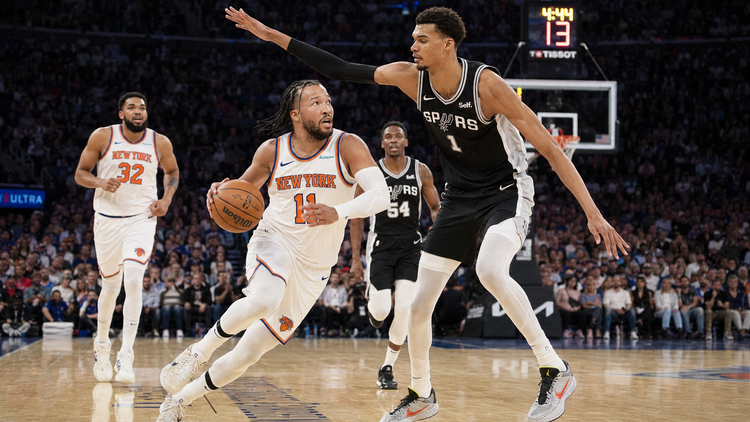
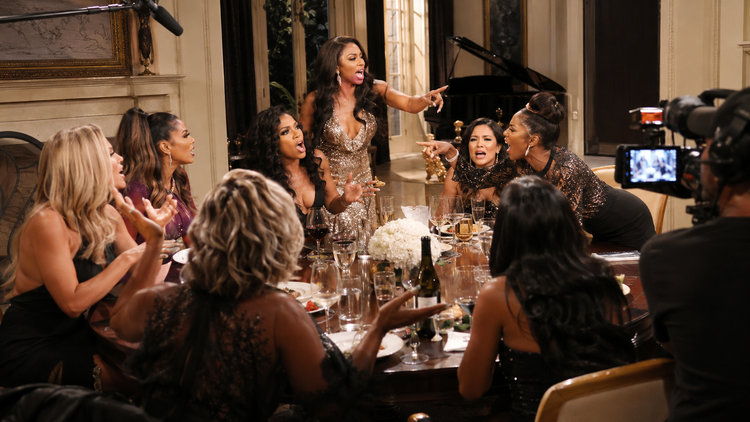
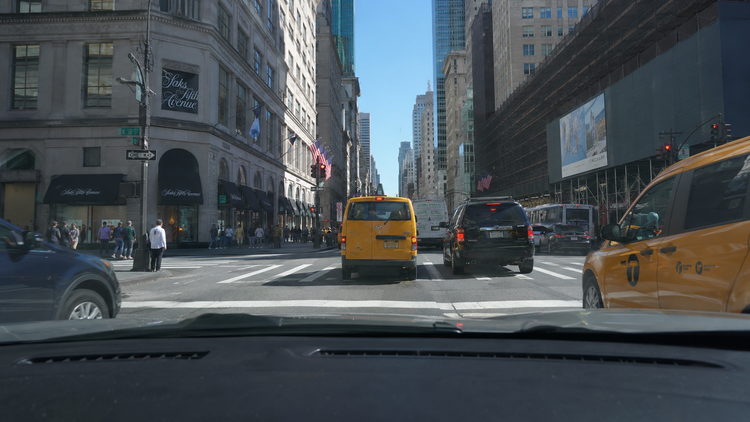
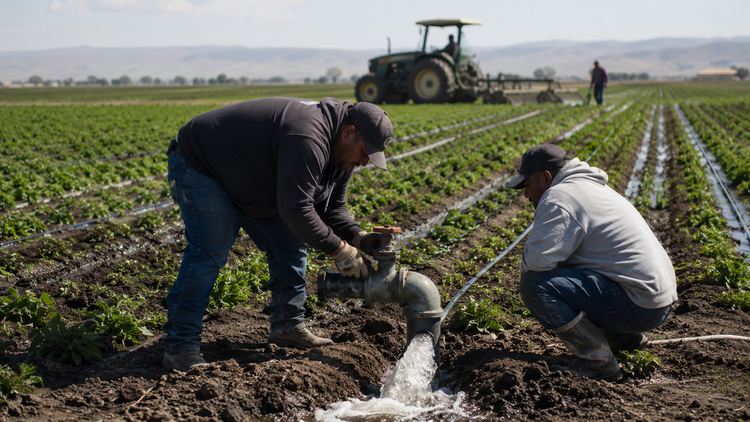
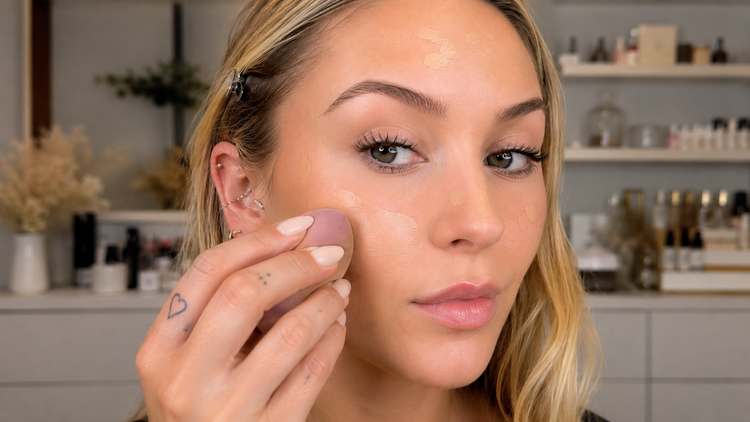
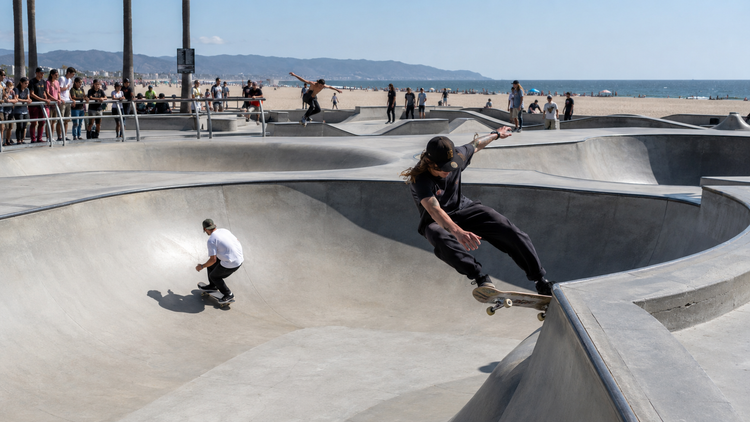
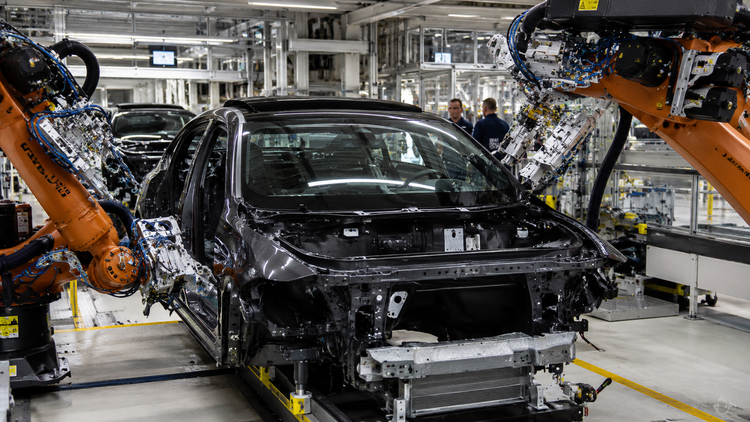
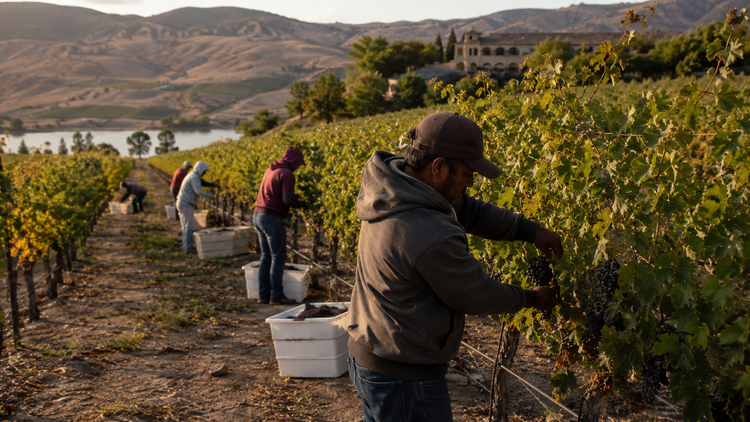
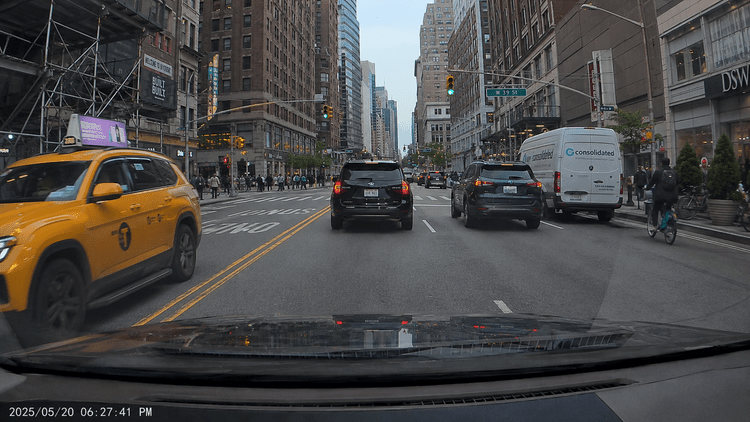
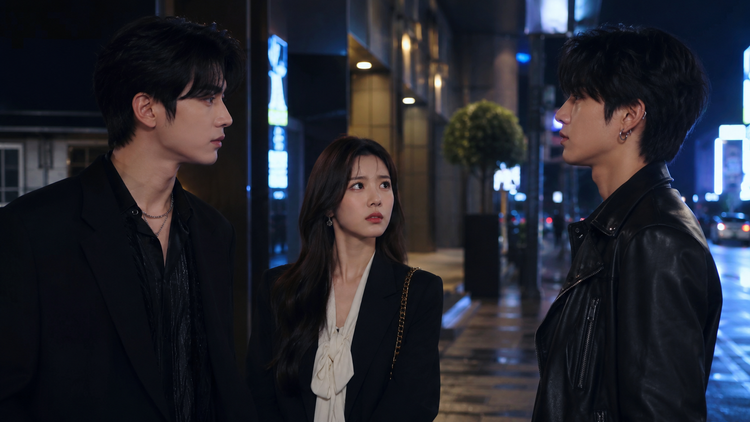
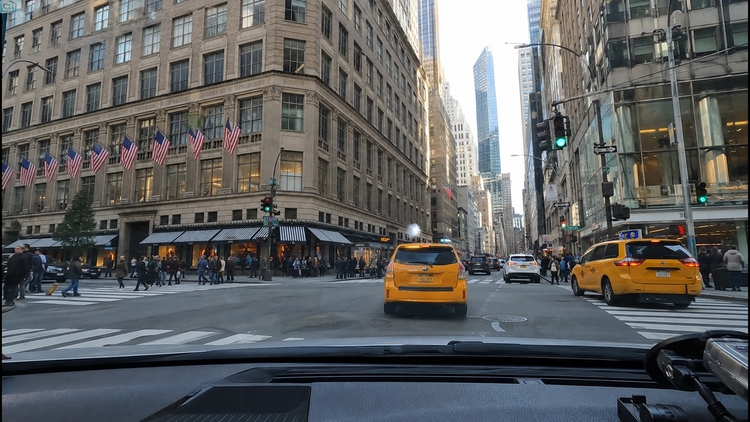
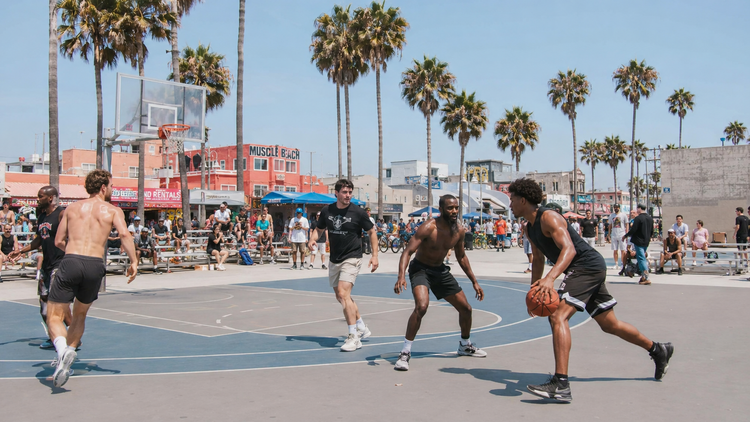
The Cleanroom Catalog: we work with institutional rights owners to make large-scale, proprietary video and audio libraries available for AI training and evaluation, fully rights-cleared.
The Cleanroom gives AI partners a smarter way to search across industries, verticals, signals, and metadata to find the right content for the right model, project, or use case.

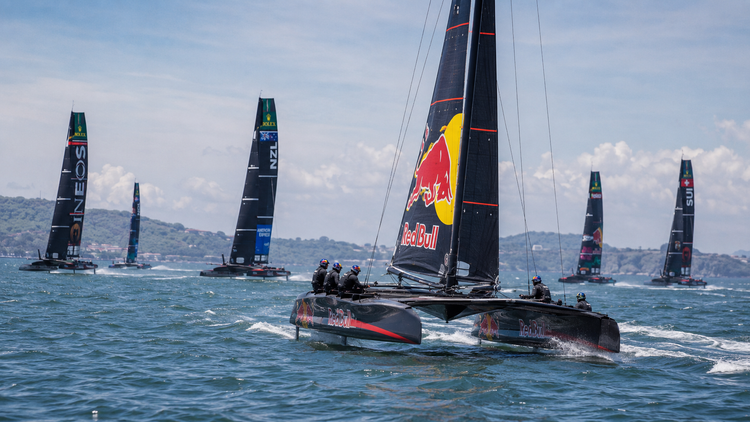
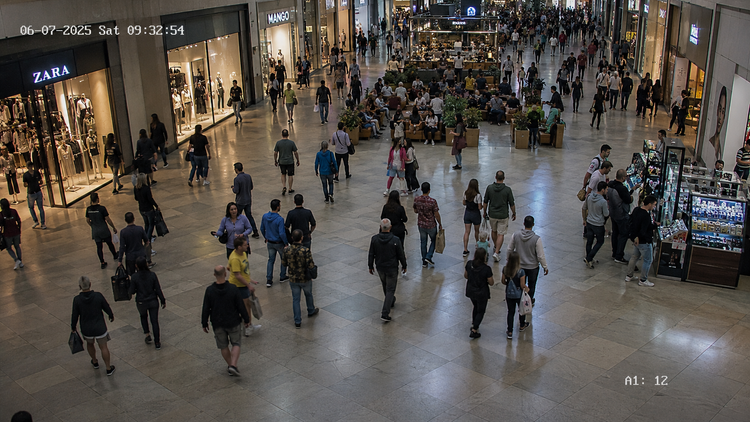
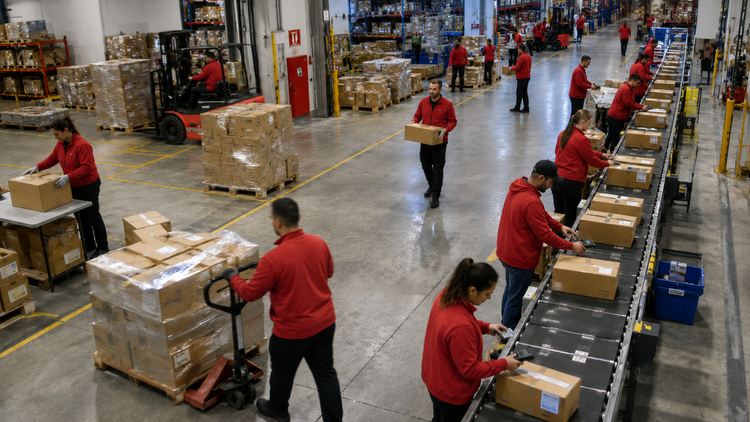
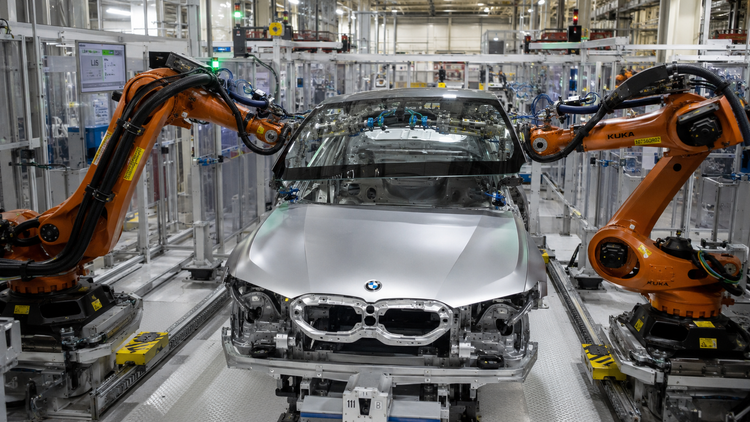

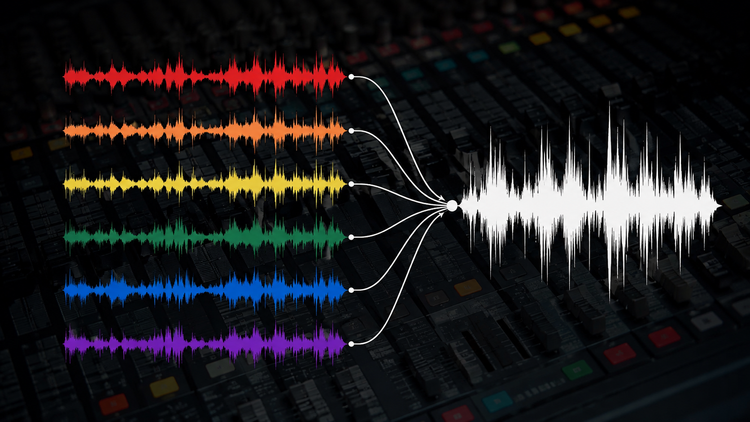
How it works
A white-glove process for turning content into approved AI revenue
The Cleanroom guides every content partner through a secure, rights-controlled process that prepares their library for searchability, licensing, model development, and sustainable revenue.
Understand the Library
Partners identify what they own, control, or can create.
Securely Host and Protect It
Partner libraries are securely hosted and protected.
Enrich with Full-Spectrum Signaling
The Cleanroom identifies what makes each library valuable.
Make It Dynamically Searchable
Libraries become searchable for the right AI use case.
Connect to Approved Opportunities
The Cleanroom connects libraries to approved AI and licensing opportunities.
Control Access and Approvals
Partners control how their content is licensed.
Build Custom Models
Libraries can be structured into custom models and licensable assets.
Track Approved Usage and Revenue
Partners can track approved usage, partners, and revenue.
What makes us different
What makes The Cleanroom different from the others that claim to do what we do?
A solution layer for turning protected content into revenue to earn from
The Cleanroom is built for content rights owners who want to participate in the future of AI without losing ownership, control, or approval rights over what they own as a new stream of revenue.
Secure hosting with commercial upside
An enterprise-grade, SOC 2-compliant protected hosting environment that helps partners organize fragmented libraries, reduce storage and server burdens, and prepare content for licensing opportunities.
Full-spectrum signaling, not basic tagging
Proprietary full-spectrum signaling and metadata analysis to extract what makes the content unique, valuable, searchable, and licensable.
Rights-controlled monetization
Protected pathways for content to be reviewed, accessed, approved, licensed, and monetized without exposing full libraries unnecessarily.
Multiple revenue pathways
Direct content licensing, model licensing, bespoke AI model development, approved partner integrations, signal-layer licensing, and decision-engine opportunities.
White-glove process from library to revenue
A guided process across library review, secure hosting, signaling, dynamic searchability, approvals, licensing, model development, and revenue visibility.
Revenue visibility
When content generates revenue, full visibility into the licensing pathway, approved use case, partner opportunity, and revenue generated.
A cleaner pathway to the exact content AI needs to learn from
The Cleanroom is built for AI platforms, enterprises, and global industries that need precise, rights-protected content, datasets, and intelligence for the right model, use case, industry, and outcome.
Searchable, structured, model-ready content
Access to libraries that have been securely hosted, signal-enriched, metadata-analyzed, and made dynamically searchable before they are positioned for approved use.
Faster access to the right signals
Instead of sifting through massive, unstructured libraries, access precise visual, contextual, behavioral, and use-case signals aligned with specific model and industry needs.
Cleaner approved licensing pathways
Access to rights-controlled content through approved licensing pathways, reducing friction around discovery, rights clarity, and content fit.
Multiple ways to build with content
Direct content licensing, moving-image training data, enterprise datasets, model integration, custom model development, and model-based licensing opportunities.
Better inputs for stronger models
Precise content and intelligence needed to build stronger models without relying on unclear, unstructured, or scraped content sources.
Trusted content for approved AI use
Content that is protected, organized, searchable, signal-rich, and ready for approved AI, enterprise, and industry use.
The Cleanroom commitment
Protecting rights, powering AI, and generating revenue.
The Cleanroom is the trusted bridge between content rights owners and the AI economy.
Every library we work with is treated as a protected asset, never an open dataset. We protect ownership, control, approvals, and revenue visibility while turning rights-controlled content into approved licensing and model opportunities.
For AI platforms, enterprises, and licensing partners, we provide cleaner, more precise access to the content, signals, datasets, and intelligence needed to build stronger models for specific use cases, industries, and outcomes.
The future of AI should be built on content that is protected, searchable, properly licensed, and transparently monetized.
SOC 2
Compliant Hosting
Secure hosting for protected content.
100%
Rights-Controlled
Every asset stays rights-controlled.
8
Our Signature 8-Step Process
A clear process from protection to revenue.
1000+
Content Categories
Built for content across every category.
Signal Intelligence
Full-Spectrum
Content transformed into searchable AI signals.
Approved
Licensing Access
Controlled access to approved licensing opportunities.
Contact
Contact The Cleanroom
Choose the path that best fits the opportunity.
Submission received
FAQ
Frequently asked questions
About The Cleanroom
What is TheCleanroom.ai?
TheCleanroom.ai is the solution layer that turns rights-owned content into searchable, licensable, AI-ready assets for direct content licensing, model licensing, and bespoke AI model development.
Who is TheCleanroom.ai for?
TheCleanroom.ai is built for content rights owners, AI platforms, enterprises, licensing partners, and global industries that need protected content, precise signals, and approved pathways to build stronger AI models.
Where is The Cleanroom based and operated?
The Cleanroom is a Dutch company with operations in Amsterdam, New York and Los Angeles.
What kinds of content can The Cleanroom work with?
The Cleanroom works with both moving-image and audio content. On the video side: video libraries, archival footage, operational footage, vertical video, CCTV, enterprise media, specialty datasets, and moving-image assets. On the audio side: music catalogues including tracks and stems, podcasts, audiobooks, voice and spoken-word recordings, and sound libraries. The Cleanroom can also work with content created for specific buyer needs.
Is TheCleanroom.ai just a storage platform?
No. The Cleanroom provides secure hosting, but storage is only one part of the solution. The Cleanroom also enriches content through full-spectrum signaling, makes libraries dynamically searchable, and creates approved licensing and model opportunities.
What is full-spectrum signaling?
Full-spectrum signaling is The Cleanroom's proprietary analysis process for identifying what makes a content library unique, valuable, searchable, and licensable. It goes beyond basic tagging by mapping visual, contextual, behavioral, and use-case signals inside the content.
Can The Cleanroom reduce storage or server burdens?
Yes. For partners managing large libraries, fragmented archives, or no centralized content system, The Cleanroom can serve as a secure hosting solution that helps organize content while preparing it for licensing and model opportunities.
Licensing, models and revenue
How does The Cleanroom protect content rights owners?
The Cleanroom is built around ownership, control, approvals, and rights-protected licensing pathways. Content is not treated as an open dataset. It is organized, reviewed, accessed, and licensed through approved processes.
Will a full content library be exposed?
No. The Cleanroom is designed to protect the underlying library. Content can support licensing and model opportunities through approved access, controlled review, signal layers, or model-based pathways.
How does The Cleanroom create revenue opportunities?
The Cleanroom creates new revenue pathways through direct content licensing, model licensing, approved partner integrations, and bespoke AI model development.
What do licensing partners get from The Cleanroom?
Licensing partners get cleaner access to rights-controlled content, metadata signals, datasets, training inputs, and model-ready intelligence without having to sift through massive, unstructured libraries.
Can The Cleanroom build custom models?
Yes. The Cleanroom can structure partner libraries into custom models for content owners, AI companies, and enterprise partners when the rights, content category, use case, and commercial opportunity align.
Does The Cleanroom guarantee revenue?
No. The Cleanroom does not guarantee revenue. The Cleanroom prepares, structures, signals, and positions content for approved licensing and model opportunities designed to maximize revenue potential.
How does a partner get started?
The process begins with a content review. The Cleanroom evaluates the library, rights position, format, scale, metadata, category, and potential licensing or model-development pathways.
Rights, music, likeness and AI training use
What is needed for the first evaluation step?
For the initial evaluation, only a representative selection of the content and the currently available metadata is required.
The sample does not need to be stripped of audio, blurred, or fully reformatted in advance. Once there is confirmed AI company interest, the final delivery requirements, rights exclusions, technical specifications, and any additional processing costs can be agreed before licensing.
Do music rights need to be cleared before evaluation samples are shared?
No. Music does not need to be removed from initial evaluation samples. Samples can be provided in their current form, together with the available metadata, so the AI company can assess the footage and determine its exact technical and rights requirements.
For any final license, music rights that are not controlled by the content owner are excluded from the rights granted to the AI company.
Can footage still be used if the music rights are not included?
Yes. The footage can still be valuable for visual AI training. For example, an AI company may use the footage to understand movement, scene context, gestures, sports action, entrances, crowd interaction, or performance environments.
However, the AI company would not receive the right to extract the music, isolate a song, or train a music model on recordings where those music rights are not included.
What happens if an AI company requires picture-only footage?
If picture-only footage is required, the audio can be removed for final delivery. This can either be done by the content owner or included as part of the final processing and pricing.
This does not materially undermine the value of the footage. It simply determines whether the final delivery includes audio or is supplied without it.
Do athlete or actor image and likeness rights need to be included?
Only if the content owner controls those rights and chooses to include them. Any athlete or actor name, image, likeness, voice, or identity rights that are not controlled by the content owner are treated as excluded third-party rights.
The content owner is not expected to grant rights it does not own.
Can footage with athletes or actors still be used for AI training?
Yes. The footage can still be useful for training models on sports movement, positioning, biomechanics, gestures, facial expressions, scene interaction, gameplay, performance, and other visual information.
However, unless specific likeness rights are expressly included, the AI company would not receive the right to identify, label, reproduce, or commercially exploit a particular athlete's or actor's identity.
Can an AI company use the footage to create recognizable athletes, actors, or digital replicas?
No, not unless those rights are expressly granted. The intended use is machine learning and model training within agreed parameters. It is not a license to generate recognizable athletes, actors, digital replicas, synthetic endorsements, branded creative assets, or identity-based outputs.
What types of AI use are generally permitted?
Permitted uses may include movement and action recognition, pose estimation, object detection, environmental understanding, player positioning, sports analysis, performance analysis, computer vision, and other agreed machine-learning applications.
The exact permitted uses are defined in the final license.
What uses are excluded unless expressly agreed?
Excluded uses may include facial recognition, athlete or actor re-identification, voice cloning, recognizable likeness generation, synthetic endorsements, digital replicas, or any other identity-based use.
The AI company never receives broader rights than the rights granted by the content owner.
How are sponsor logos and brands handled?
Visible sponsor marks are treated like other third-party intellectual property. The content owner is not required to grant trademark or branding rights it does not own.
An AI company may process the footage as a complete visual scene, including recognizing that a logo or branded object is present. However, it does not receive the right to extract, intentionally reproduce, commercially generate, or separately exploit the sponsor's brand.
Do logos need to be blurred?
Not automatically. Logos do not need to be blurred from evaluation samples or final footage unless the AI company specifically requires that.
If logo blurring or removal is required, it can be addressed as part of the final delivery specifications and priced into the project.
What happens when an AI company's license expires?
Once the licensed training period ends, the AI company may no longer use the source footage for new training, fine-tuning, ingestion, or other unlicensed use. The original source content must be deleted or destroyed in accordance with the agreement.
The trained model or outputs created during the valid license period may continue to be used only if the AI company agreement expressly allows this.
Does the AI company license survive if The Cleanroom's representation relationship ends?
Yes. The downstream AI company license survives independently for its agreed term. For example, if an AI company enters into a three-year license, that license remains valid for the full three years, even if The Cleanroom's separate representation relationship with the content owner ends earlier.
What happens if an AI company breaches the agreement?
If an AI company materially breaches the agreement, remedies are handled under the AI company contract. These may include termination, deletion of source content, technical remediation where reasonably possible, damages, or additional licensing compensation.
The content owner is not expected to guarantee that a third party can technically make a trained model fully "unlearn" the material.